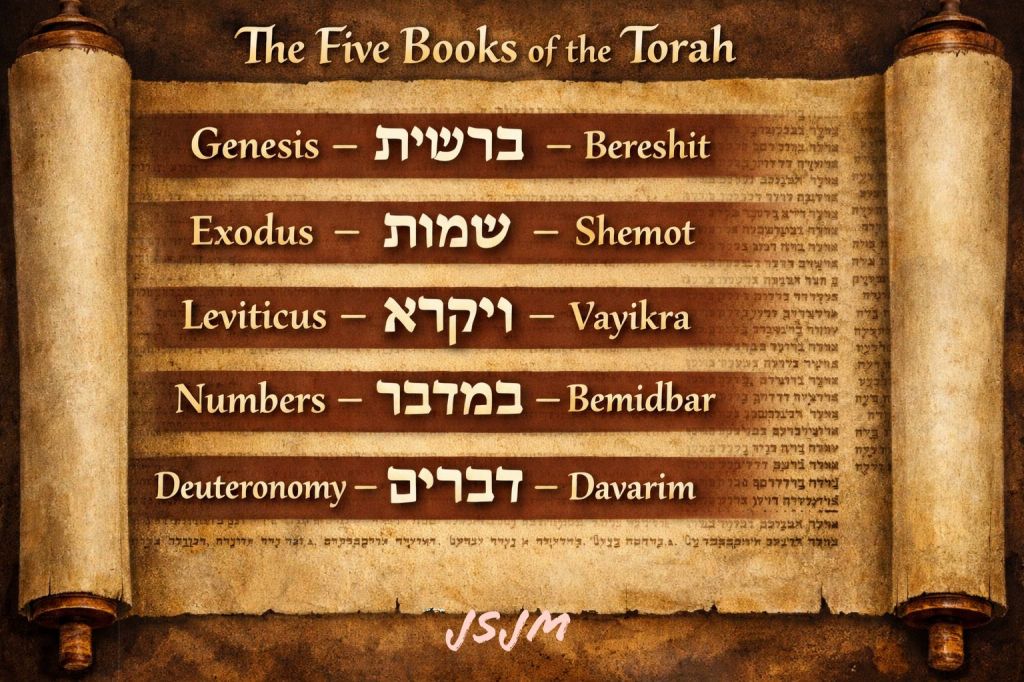
Dayenu is an ancient Jewish song traditionally sung during the Passover. “Dayenu” in Hebrew means, “it would have been enough”. Although we are far from Passover in the Jewish calendar, Dayenu is a beautiful reminder of what God has done.
The Dayenu challenges us to re-focus and look up with gratitude rather than whine and wallow in entitlement!
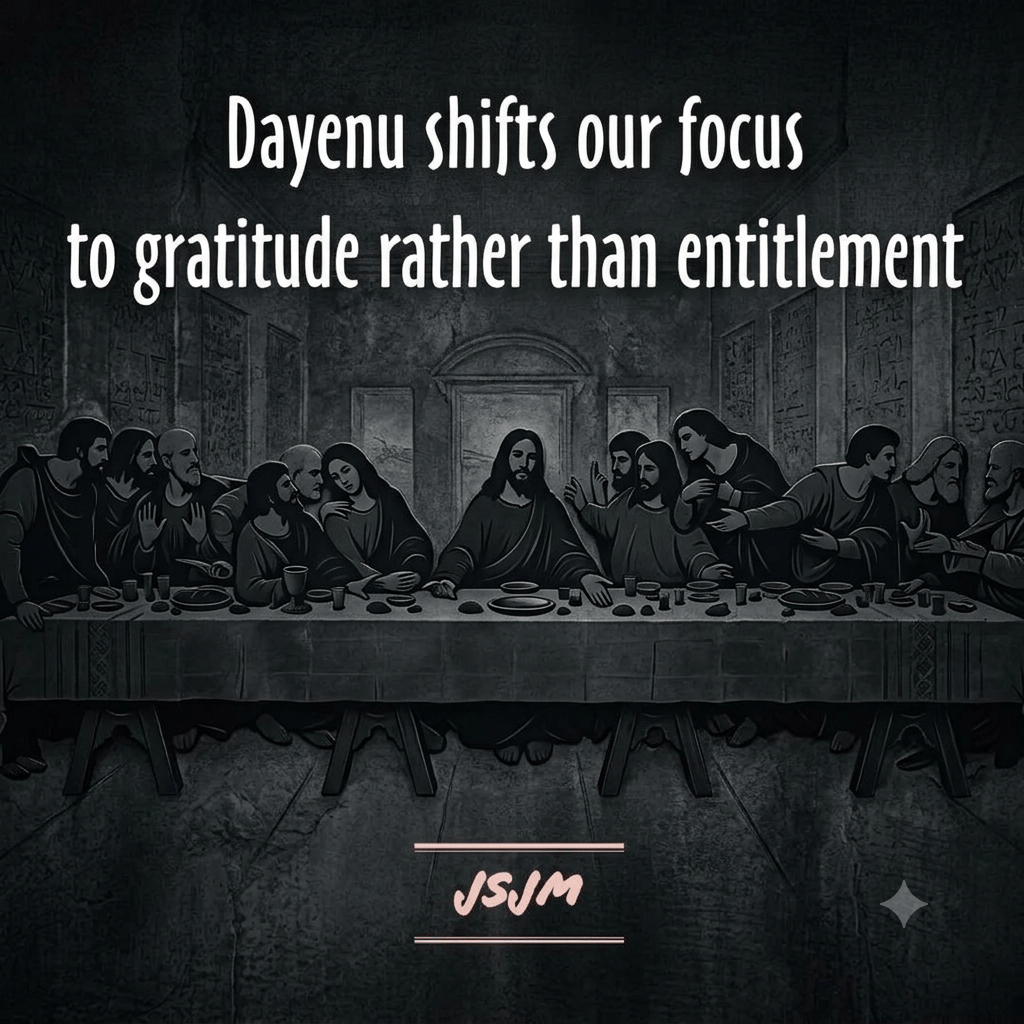
The traditional Dayenu starts with the remembrance of the Exodus from Egypt and ends with gratitude for the temple in Jerusalem. Here is a Messianic Dayenu to remind us of all that the Father has done for us through Yeshua His son:
If you had just given us the law and the promise of the Messiah but not fulfilled the promise, it would have been enough! (Dayenu)
If you had fulfilled the promise of the Messiah but not through a birth in poverty, it would have been enough! (Dayenu)
If you were born in poverty but had not opened blind eyes and deaf ears, it would have been enough! (Dayenu)
If you opened blind eyes and deaf ears but not preached the Kingdom of Heaven, it would have been enough! (Dayenu)
If you had preached the Kingdom of Heaven but not been persecuted and rejected by your own, it would have been enough! (Dayenu)
If you had been rejected by your own but not fulfilled the law and prophets, it would have been enough! (Dayenu)
If you had fulfilled the law and prophets but not through a death on the stake to carry our sins and defeated death on the third day, it would have been enough! (Dayenu)
If you had been killed on the stake to carry our sins and defeated death but not attained our healing by your stripes, it would have been enough! (Dayenu)
If you bought our healing but had not called us friends and adopted into your family, it would have been enough! (Dayenu)
If you called us friends and adopted us into your family but had not given us your Holy Spirit, it would have been enough! (Dayenu)
If you had given us the Holy Spirit but not made us co-heirs with Christ, it would have been enough! (Dayenu)
If you had made us co-heirs with Christ but not predestined us to be a kingdom of priests with Yeshua, it would have been enough! (Dayenu)
Dayenu reminds us that He is a faithful Father.
“ And I am convinced and sure of this very thing, that He Who began a good work in you will continue until the day of Jesus Christ [right up to the time of His return], developing [that good work] and perfecting and bringing it to full completion in you.”
Philippians 1:6 AMPC
https://bible.com/bible/8/php.1.6.AMPC
God bless 😊